The Books
New Release — 2026
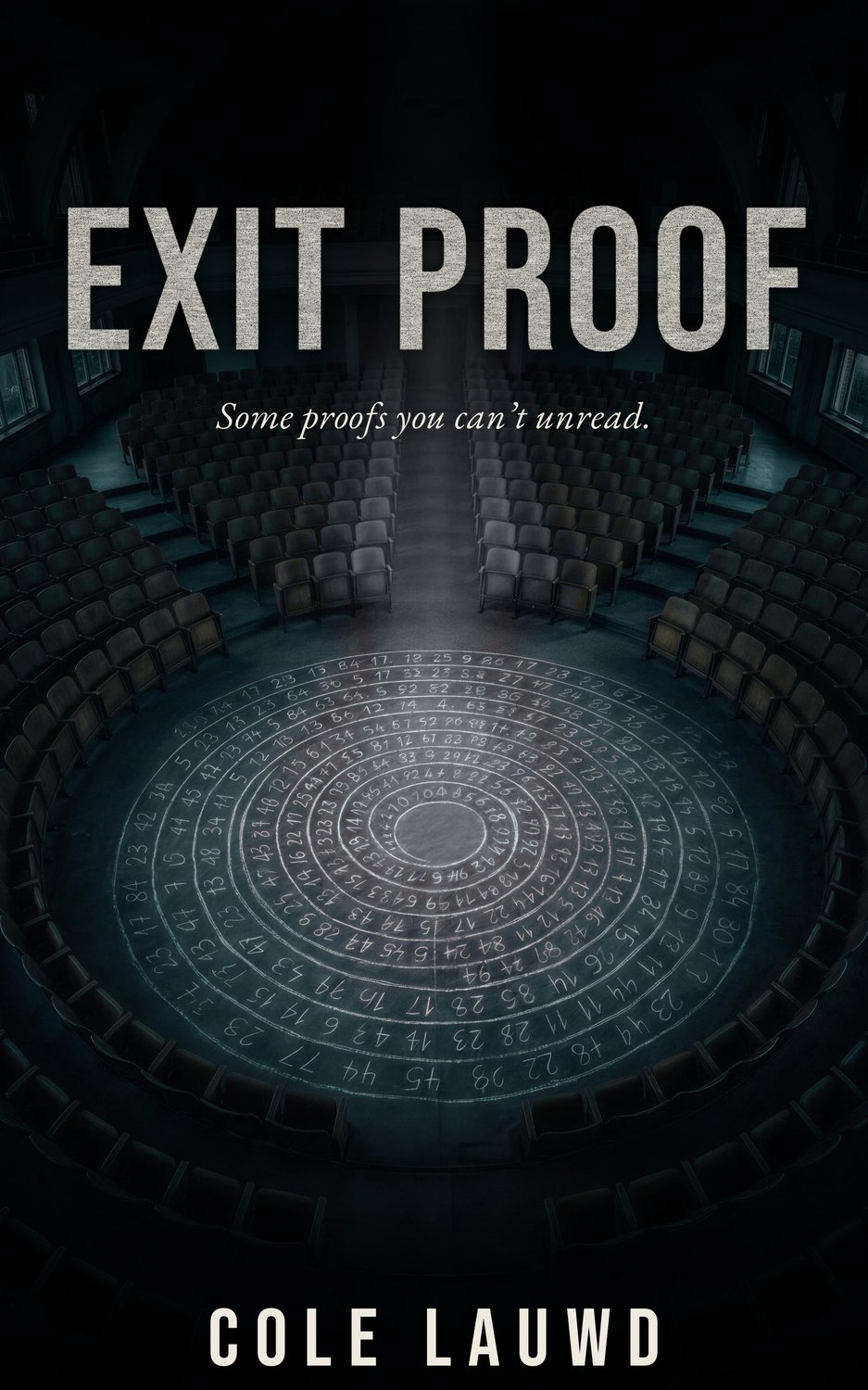
Literary Thriller
In the past four years, more than sixty scientists across three continents have died or disappeared under nearly identical circumstances. No signs of depression. No notes of despair. Phones factory-reset. Affairs in order. Lives left behind with the calm precision of someone checking out of a hotel.
Investigative journalist Jonah Ashworth is assigned to find the pattern. What he finds is worse than a conspiracy. The scientists weren't being killed. They were being contained — quarantined by a secret government operation that has been running since 1983, fighting not a weapon or a technology but an idea.
The proof is beautiful. The proof is irrefutable. And everyone who reads it to the final page makes the same calm, rational, irreversible decision.
Now Jonah has the proof. The clock is running. And his eleven-year-old daughter is calling.
Series
Dystopian fiction. Two novels, one system. Read either first.
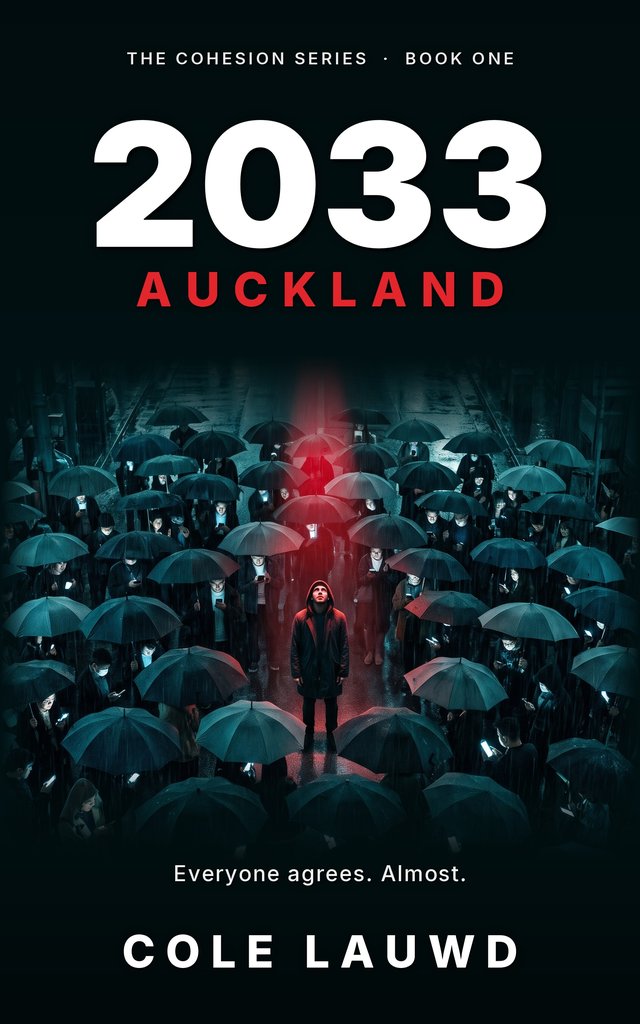
Book One
Auckland, 2033. Six years after the Social Cohesion and Online Safety Act passed under urgency, nobody in New Zealand posts anything they couldn't read aloud in court. Every post you have ever made has been re-scored against today's rules. Daniel Hale decides which posts become harm notices, until his own turns up in the queue.
Orwell's Party had to build the telescreen. Cohesion just subpoenaed the phone you already carry.
Buy on Amazon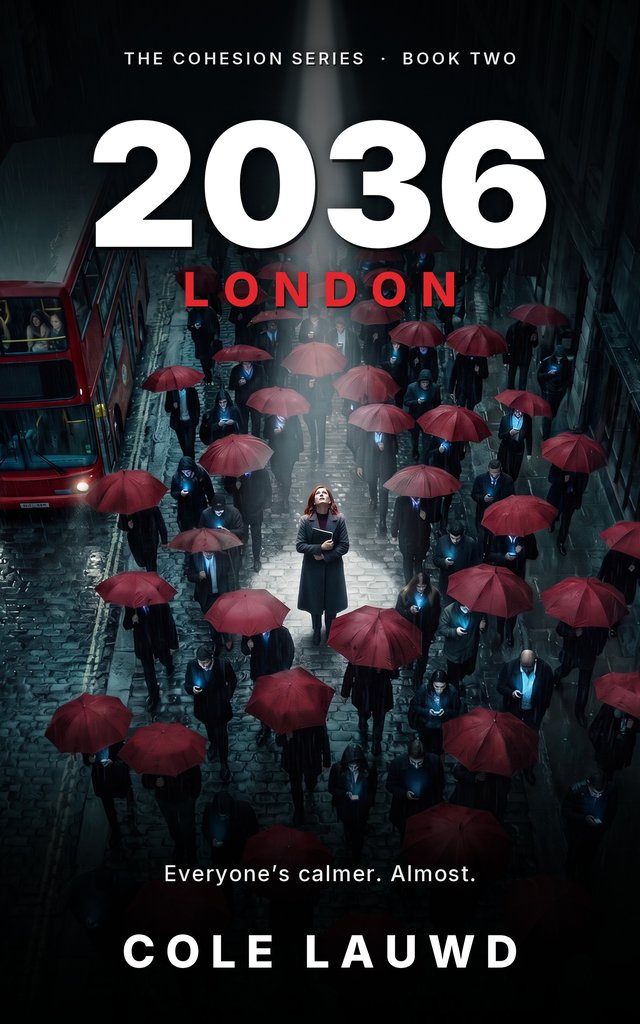
Book Two
London, 2036. The police would just like a word. Britain has borrowed New Zealand's Social Cohesion framework and given it a British accent. Clare Whitlow chose those words. Then she buys a paper notebook and draws a line down the middle: the official word on the left, what it means on the right.
Orwell's Party rewrote the past. Britain simply rewords it.
Buy on AmazonSeries
Post-apocalyptic fiction. Eight books, fifteen years, six continents. Two published.
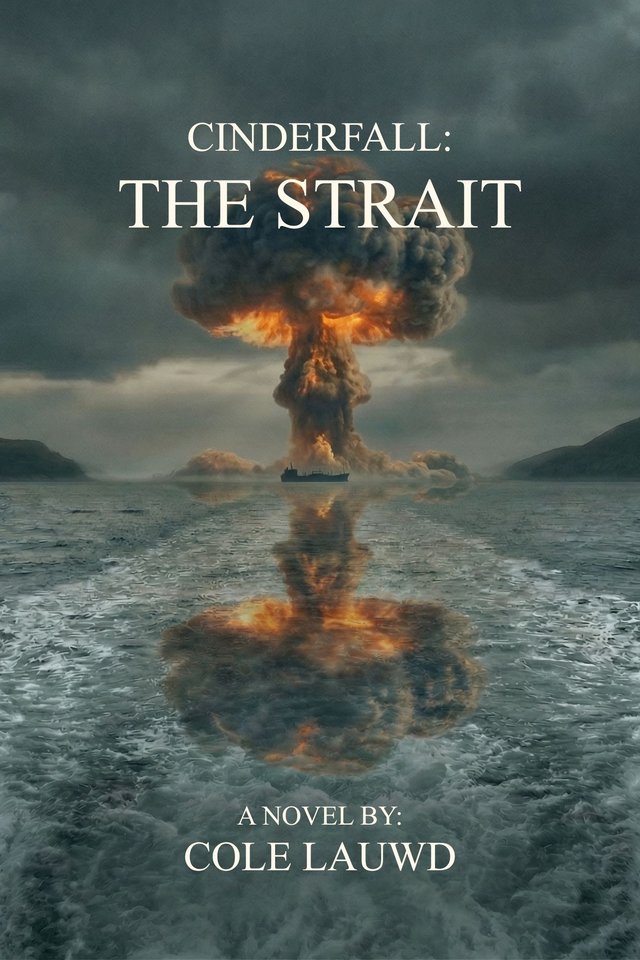
Book One
The war lasted seventy-one minutes. What comes after lasts forever. New Zealand survives the bombs, then splits across the Cook Strait: twenty-two kilometres of water that become an uncrossable border, eight hundred refugees on a cargo ship, and one family torn in two.
Read on Amazon →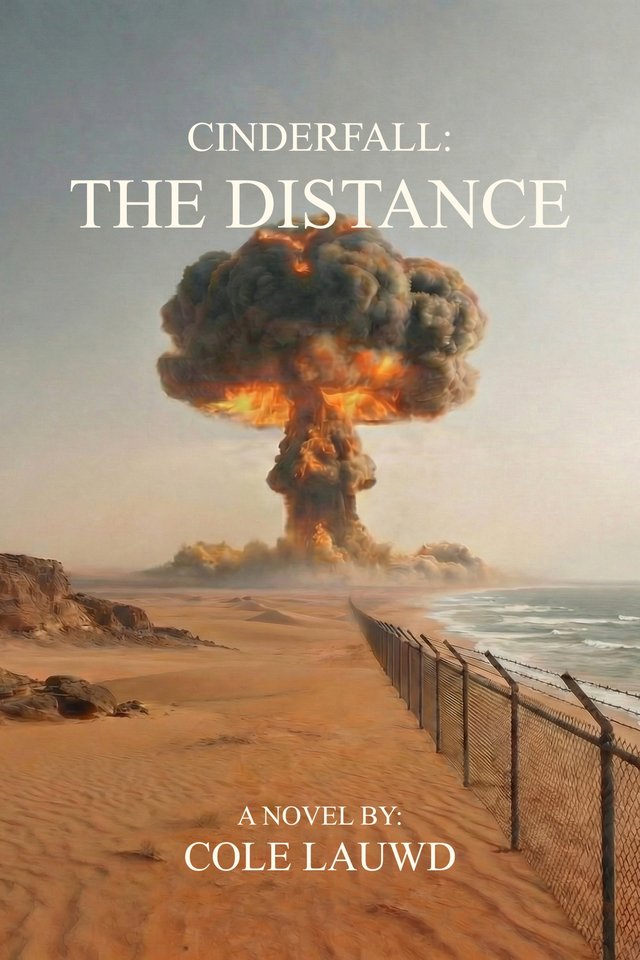
Book Two
Australia survived the war. But survival has a price. Four years on, Perth is a fortress, and Hana Yoshida must get through it to reach her brother, the last of her family, alive in New Zealand.
Read on Amazon →About
Cole Lauwd writes fiction about the spaces between — between the known and the unknown, between staying and leaving, between the world as it appears and the world as it might actually be.
His work draws on real events, declassified documents, and the unsettling patterns that emerge when you look at the data long enough. The characters are fictional. The questions are not.
Contact
For press enquiries, rights, and correspondence:
[email protected]